What to Do When Your HVAC System Breaks During a Denver Spring Storm
Published: 2026-06-21 · By EagleCrest Heating and AC Service
Spring in Denver is a beautiful but unpredictable season, marked by rapidly changing temperatures and the potential for unexpected storms. One moment, the sun is shining, and the next, hail is falling, causing chaos both outside and inside your home. For Denver homeowners, these shifts can wreak havoc on HVAC systems, especially when storms roll in just as the temperatures begin to warm up. In a city known for its heavy snowmelt and the risk of freeze-thaw cycles, having a reliable HVAC system becomes essential. What happens, though, when that system suddenly fails during a spring storm?
Why This Matters for Denver Homeowners
For many residents of Denver, HVAC systems are the backbone of home comfort throughout the year. However, the transformative powers of spring in Colorado can bring rapid weather changes, often leading to HVAC disruptions. Hail storms can cause physical damage to outdoor units, while heavy snowmelt combined with springtime rains can challenge drainage systems found in many homes built on expansive clay soils. These conditions create dangerous situations — not just for your HVAC system but also for the integrity of your home.
The freeze-thaw cycles characteristic of Denver springs can strain your HVAC equipment, leading to breakdowns that might not only disrupt comfort but can also result in costly repairs. Be mindful that these spikes in temperature during the day and plummeting temperatures at night can create additional stress on your heating and cooling systems. It underscores the importance of having a responsive service on hand to assess and remedy possible issues before they escalate.
Tip: Consider regular maintenance checks for your HVAC system ahead of spring storms. A proactive approach can save both time and money.
Without the proper maintenance or prompt service, homeowners may find themselves dealing with uncomfortable indoor conditions and costly repairs. Understanding the unique challenges that Denver’s weather presents is vital in maintaining an efficient and effective HVAC system.
Expert Solutions & Actionable Tips
1. Inspection Before the Storm
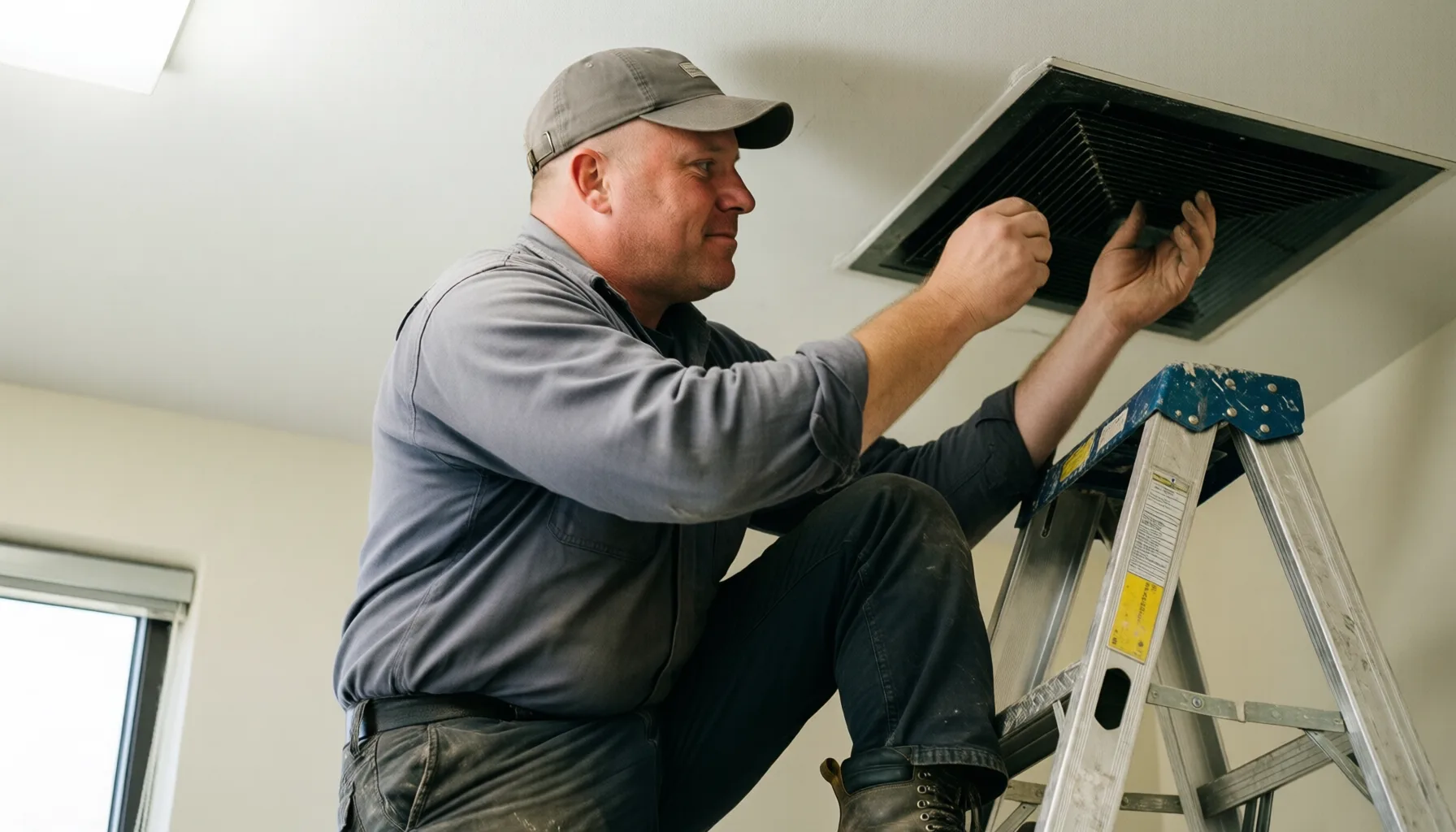
In the days leading up to a potential storm, conduct a thorough inspection of your HVAC system. Look for any signs of wear and damage, particularly on the outside unit, which is vulnerable to hail and other debris. A visual inspection can reveal issues such as bent fins, rust, or cracks in the casing that could lead to failures. It’s wise to tackle these problems before a storm hits — a minor repair today can save you from a much larger bill later.
Consider investing in preventive maintenance services that typically range from $70 to $150. A certified technician can identify vulnerabilities in your HVAC system that you may miss. This step can significantly reduce the likelihood of a breakdown when you need your system the most.
2. Understanding Your Drainage Needs
Denver homeowners whose properties sit on expansive clay soils should pay attention to proper drainage. As heavy spring snowmelt occurs, water can pool around your foundation and impact HVAC performance, potentially leading to further complications. Inspect your drainage systems to ensure water flows away from your HVAC units to minimize risk.
You might need to invest in regrading your landscaping or adding a French drain, both of which can cost between $1,500 to $5,000 depending on the complexity. This can lead to enhanced system longevity and peace of mind when storms are brewing.
3. Know When to Call for Help
If your HVAC system stops working during a storm, knowing when to reach out for professional help is key. Don't hesitate to contact EagleCrest Heating and AC Service if temperatures plummet or if you hear unusual noises from your system. The response time for home service requests typically ranges from 24 to 48 hours, depending on service demand.
Immediate attention can often prevent minor issues from spiraling into larger problems. Understanding your HVAC system’s quirks will help you know when the issue is beyond a simple fix.
4. Emergency HVAC Repairs
Prepare for potential emergencies by having emergency contact numbers on hand. The average emergency HVAC service call in the Denver area can range from $150 to $350 depending on the nature of the repair needed. Planning ahead not only reduces stress during a storm but ensures that your home remains comfortable.
This knowledge can serve as a guide for timely interventions, protecting both your HVAC system and home from further damage.
5. Temporary Solutions During Outages
During unexpected HVAC outages, consider temporary solutions to maintain indoor comfort. Using fans or space heaters can help balance temperatures. However, always exercise caution, particularly with space heaters, as they can pose a fire risk if left unattended.
If you opt for temporary measures, monitor the conditions in your home, especially if a storm is ongoing. This proactive step will help maintain a stable environment until professional help can arrive.
6. Seasonal Upgrades
Consider upgrading your HVAC system before the spring season. Energy-efficient systems not only provide better climate control, but they can also handle Denver's erratic weather patterns more effectively. Speak to professionals about costs and benefits; installation costs can range from $3,500 to $7,500 based on system size and complexity.
Investing in a higher-quality system can vastly improve long-term comfort and efficiency. This step may seem daunting initially, but the long-term savings and comfort can be invaluable.
Denver Climate & Local Context
Denver's climate presents unique challenges due to its altitude and geographical conditions. Rapid temperature fluctuations mean HVAC systems experience additional stress, especially during the spring months. Homeowners must be aware of city regulations regarding HVAC installations and repairs, ensuring that they comply with both state and local codes to avoid fines.
In many neighborhoods with homes built on expansive clay, particular attention must be paid to the foundations and drainage systems. This requires integrated management of HVAC installation and outdoor landscaping to prevent future issues. Properly addressing the local climate at the outset can be key to preserving your home's value and comfort during turbulent weather patterns.
When to Call a Professional
When it comes to maintaining your HVAC system during spring storms in Denver, there are times when DIY efforts are appropriate and times when calling a professional is essential. Tasks like changing air filters or removing debris around the outdoor unit are straightforward and can often be handled easily by homeowners.
However, certain red flags indicate a need for expert intervention. Be cautious of signs such as:
- Uneven cooling or heating throughout the home
- Frequent cycling of the system on and off
- Water leaks around units
- Unusual noises during operation
- A significant rise in energy bills
- Strange odors coming from vents
- Thermostat issues
If you notice these indicators, it’s prudent to contact an HVAC professional to address any underlying problems that could escalate if left unattended.
Frequently Asked Questions
What should I do first if my HVAC system stops working during a storm?
The first step is to assess the situation. Check your thermostat, inspect for any visible issues, and confirm that there’s power to your HVAC unit. If the system is still unresponsive, contact EagleCrest Heating and AC Service for immediate assistance.
How can I prepare my HVAC system for the unpredictable spring weather in Denver?
Regular maintenance checks are essential. Clean your unit, check the drainage, and consider having a professional inspect your system to address any concerns before the spring storms hit.
Are there specific upgrade recommendations for HVAC systems in Denver?
Yes, energy-efficient units that can handle both heating and cooling adequately are recommended. Consult local professionals for options that best suit your home and meet Denver's unique climate demands.
What can I do to minimize water damage from heavy snowmelt?
Ensure proper drainage around your property and inspect your HVAC system’s drainage. It may also be worthwhile to install French drains or similar systems to redirect water away from the foundation.
How quickly can I expect service if I call EagleCrest during a storm?
Response times can vary based on service demand, but EagleCrest aims to provide support within 24 to 48 hours during inclement weather. It's essential to call as soon as you suspect an issue.
Get Expert HVAC Service in Denver
Don’t let a broken HVAC system disrupt your comfort this spring. If you encounter problems during a storm, reach out to EagleCrest Heating and AC Service by calling (983) 213-6982. Our team of experts is ready to assist you with all your HVAC needs.
Keep your home safe and comfortable this spring by ensuring your HVAC system is up to the task. Contact us today and experience the EagleCrest difference in Denver!