How Poorly Sealed Ducts Waste Energy in Denver Homes
Published: 2026-06-21 · By EagleCrest Heating and AC Service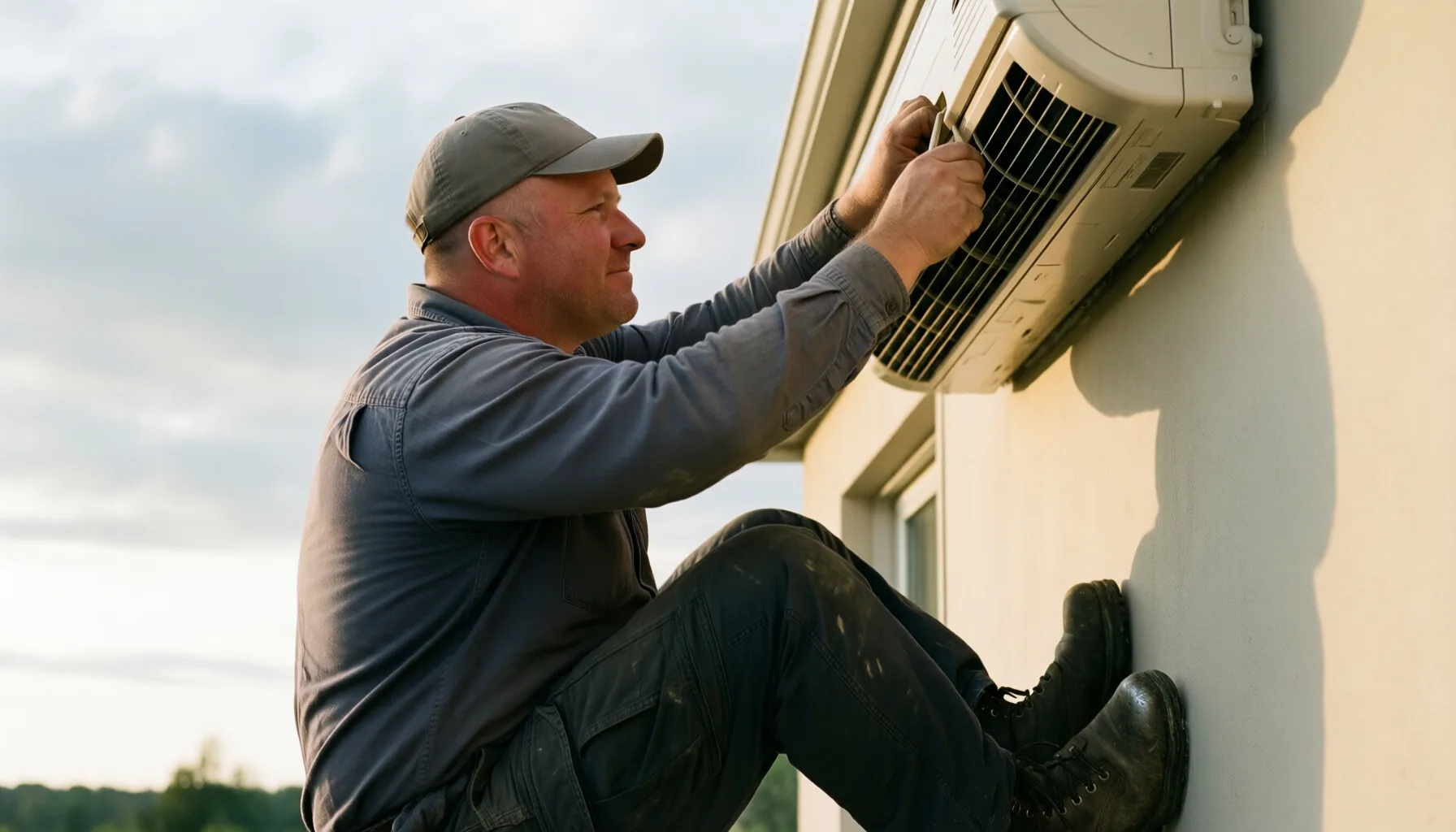
The majestic Rocky Mountains frame the skyline of Denver, where rapid temperature swings can leave residents scrambling for comfort. One moment you're enjoying a crisp autumn day, and the next, you find yourself shivering in your own home. These dramatic shifts put immense pressure on your heating, ventilation, and air conditioning (HVAC) system. Unfortunately, if your ducts are poorly sealed, you're not just losing comfort; you're also wasting energy and further inflating your utility bills. Many homeowners might not recognize the hidden costs associated with air leaks, particularly when the harsh Denver winters arrive.
Why This Matters for Denver Homeowners
Poorly sealed ducts can lead to a significant loss of conditioned air, which is especially critical in Denver's climate. With the city experiencing heavy snowfall in winter and rapid thaw cycles in spring, your home can become a battleground for temperature extremes. Air that escapes through leaks results in a system that runs longer to maintain desired temperature levels, leading to skyrocketing energy bills. In addition, dust and pollutants can enter your air supply through these leaks, affecting indoor air quality and potentially igniting health issues.
Furthermore, Denver's expansive clay soils create unique challenges for home construction, often requiring special drainage systems that can complicate HVAC installations. Homeowners may find that these issues exacerbate the problems caused by air duct leaks. Ignoring the situation can lead to even bigger concerns, such as compromised structural integrity due to freeze-thaw cycles that can cause additional stress on your home.
Consider scheduling a duct inspection to assess possible air leaks, especially as seasons change.
Expert Solutions & Actionable Tips
1. Conduct a DIY Duct Inspection
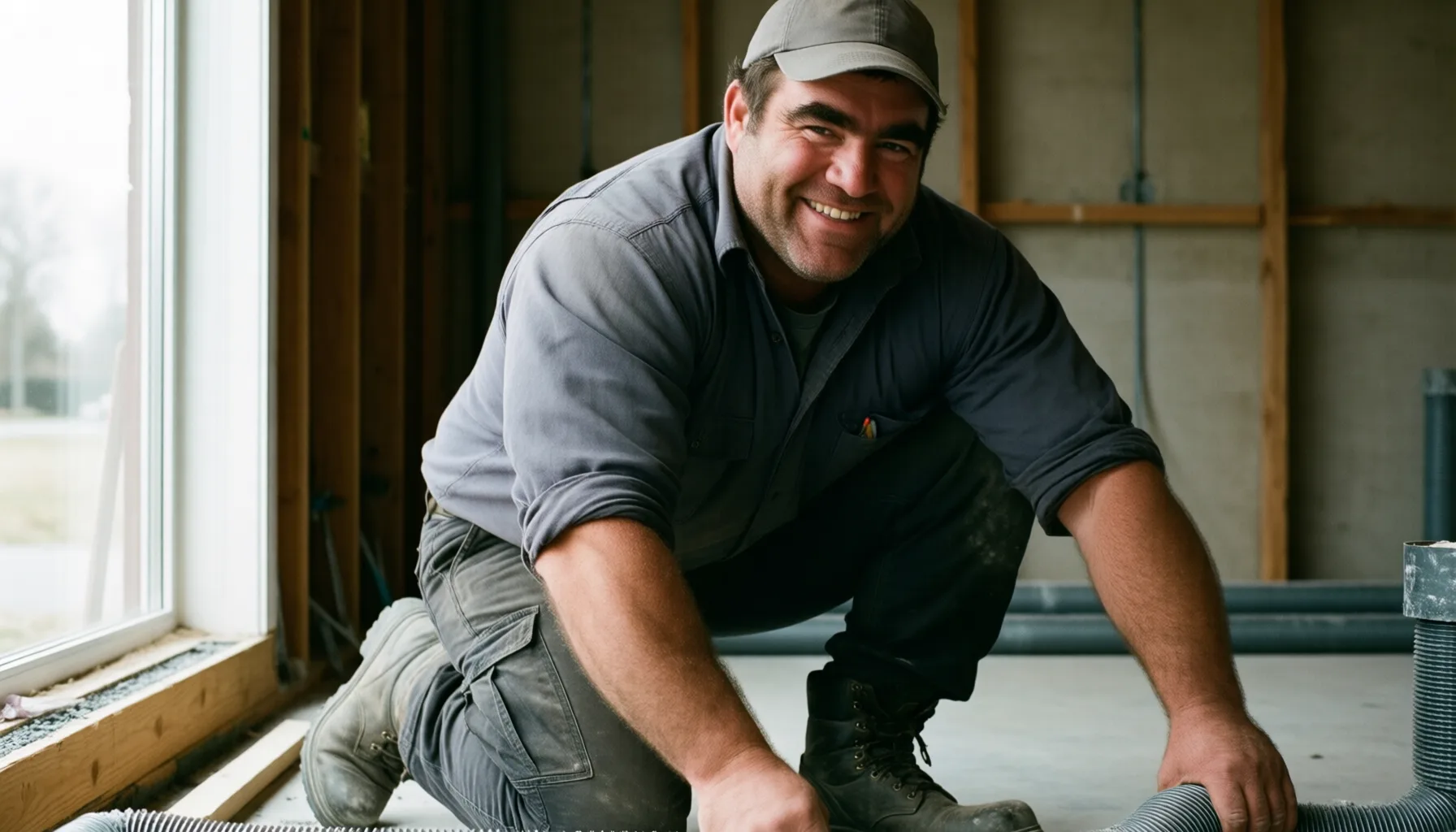
Start your energy-saving efforts by inspecting your ductwork for obvious gaps or damage. This can often be done in your basement, attic, or wherever your ducts are exposed. Look for holes and disconnected sections. Seal small gaps with mastic sealant, which can cost around $10 for a tub at a local hardware store. Make sure to check vents in living spaces as well. An inspection can take just a couple of hours.
2. Employ Professional Duct Sealing
If DIY efforts fall short, hiring a professional might be necessary. A specialized HVAC technician will use advanced equipment to identify leaks and apply high-quality sealants that can last longer. Expect to pay anywhere from $200 to $500 on average for a thorough sealing job, depending on the complexity of your duct system. This investment can significantly enhance energy efficiency and indoor comfort.
3. Regular HVAC System Maintenance
Scheduling regular maintenance for your HVAC system can prevent future issues caused by air leaks. Technicians are trained to spot duct problems while tuning up the system. In Denver, a maintenance check may cost between $75 and $150 and typically involves comprehensive inspections twice a year. These appointments can also prolong the lifespan of your equipment.
4. Consider Ductless HVAC Systems
Depending on your home's layout, a ductless HVAC system may be the solution for efficiently managing air flow without ductwork complications. These units can be installed room by room, usually costing between $2,000 and $5,000 for a full system. This can lead to lower energy costs, especially useful for Denver homes dealing with varying temperatures.
5. Enhance Insulation in Attics and Walls
Improving the insulation in your home can work in tandem with sealing ductwork. Many Denver homes with expansive soils may experience insulation issues due to settling, which can lead to greater air loss. Invest in upgrades that can cost from $1,600 to $3,000 for a professional service. This long-term solution supports effective HVAC performance, leading to lower energy waste.
6. Monitor Your Utility Bills
Keep an eye on your utility bills to determine whether your energy costs are fluctuating. A sharp increase could indicate ductwork or HVAC issues. Comparing past bills, especially during seasonal transitions, can help you identify problematic trends requiring attention. Small discrepancies might indicate minor leaks, while larger jumps signal the need for immediate action.
Denver Climate & Local Context
Denver's unique climate poses distinct challenges for HVAC systems, with rapid temperature changes and heavy snowfall requiring reliable heating and cooling solutions. Additionally, the city's historical construction methods often mean that many homes are built on expansive clay soils, leading to settling that may affect the integrity of duct systems. Local building codes may also dictate the need for specific drainage to avoid moisture problems and mitigate air quality issues.
Understanding these local dynamics can help you make informed decisions about your heating and cooling solutions. For instance, scheduling your HVAC maintenance at the end of winter is beneficial as the heavy snowmelt can reveal any existing issues. Making sure your systems comply with local codes ensures safety and efficiency, every homeowner's priority.
When to Call a Professional
Deciding whether to tackle duct issues yourself or call a professional can be tricky. If you're comfortable and have experience with home maintenance, simple tasks like sealing small leaks may be within your capabilities. However, more complex issues often require expert intervention.
- Your ducts are hidden behind walls or ceilings.
- You notice significant drafts despite closed vents.
- Your energy bills spike unexpectedly.
- You find dust buildup around vents regularly.
- You experience inconsistent temperatures between rooms.
- You hear strange noises in your HVAC system.
- Allergy symptoms worsen in your home.
- Your HVAC system itself is older and inefficient.
In these red-flag scenarios, contacting a professional like EagleCrest Heating and AC Service ensures the best approach to restoring HVAC efficiency safely.
Frequently Asked Questions
What are the signs of poorly sealed ducts?
Common symptoms include uneven heating or cooling, higher energy bills, and excessive dust accumulation around vents, especially in homes impacted by Denver's unique climate conditions.
How often should I have my ducts inspected?
It's advisable to have your ducts inspected every three to five years, with additional checks following severe weather events like hail storms or heavy snowmelt.
Can I seal my ducts myself?
While minor sealing can be a DIY project, significant leaks or complicated ductwork should be addressed by professionals to ensure effectiveness and compliance with local codes.
What is the average cost for professional duct sealing?
The cost for professional duct sealing in Denver can range from $200 to $500, depending on the specific conditions and extent of the system needing work.
Are ductless systems a better option for Denver homes?
Ductless systems can be advantageous for Denver homeowners, especially for older homes affected by settling soil, as they reduce the need for ductwork altogether.
Get Expert HVAC Service in Denver
If you've noticed discomfort in your home or suspect your ducts are not sealing properly, now is the time to take action. EagleCrest Heating and AC Service is here to assist you in optimizing your HVAC system's performance in Denver's challenging climate.
Contact us today at (983) 213-6982 for a thorough duct inspection and sealing services designed to enhance comfort and efficiency in your home.