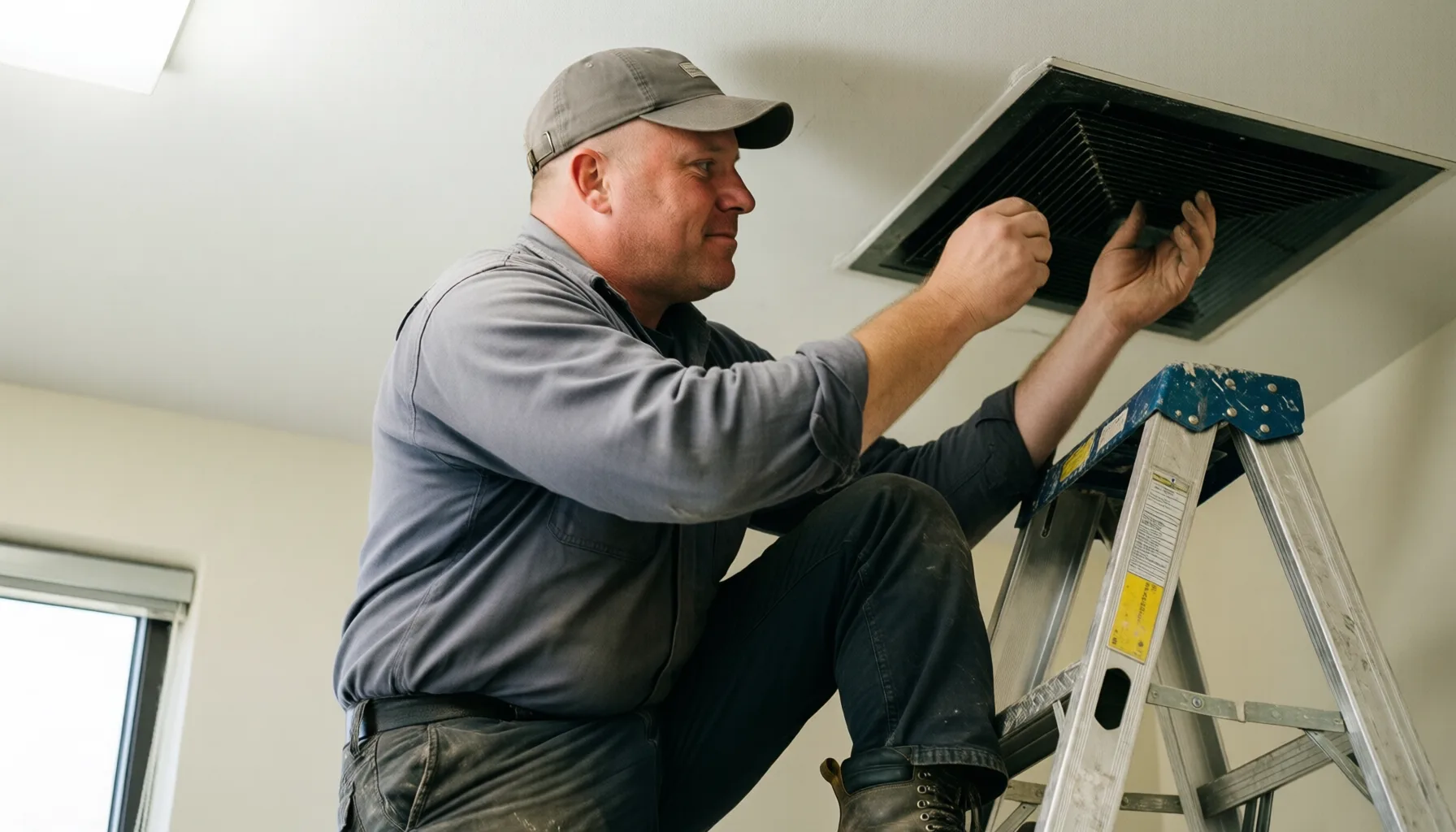
What to Do When Your HVAC System Breaks During a Denver Fall Storm
Published: 2026-06-21 · By EagleCrest Heating and AC Service
As the leaves begin to change and Denver’s weather takes another wild turn, the last thing you want is for your HVAC system to fail. Picture this: a sudden fall storm rolls through, bringing freezing rain and winds that send temperatures plummeting. Your furnace, which has been holding its ground through the heat of summer, suddenly shuts down. Whether it's due to heavy snowmelt causing system overload or rapid temperature changes testing your equipment's limits, knowing how to respond promptly can make all the difference for your home’s comfort and safety.
Why This Matters for Denver Homeowners
HVAC failures during fall storms are particularly problematic for homeowners in Denver. Rapid temperature swings can overwhelm your heating system, leading to potential breakdowns, especially in homes built on expansive clay soils that present unique drainage challenges. Additionally, heavy snowfall can lead to dangerous ice build-up, which can exacerbate HVAC issues if not addressed correctly. Furthermore, the freeze-thaw cycles that characterize Colorado’s springs can place considerable stress on your home’s HVAC components, often causing premature failure or performance lag, making it crucial for homeowners to be proactive.
Failing to address these matters can result in costly repairs or even the need for complete system replacement, which can significantly impact your heating bills and comfort during those chilly months.
Expert Solutions & Actionable Tips
1. Inspect and Clean Air Filters Regularly
One of the simplest and most effective ways to enhance your HVAC system’s performance is to check and replace your air filters. Clogged filters can restrict airflow and lead to system strain, particularly during demanding Denver storms. Depending on usage, plan to inspect filters monthly. Changing filters can cost between $10 and $30, and make a noticeable difference in efficiency.
2. Ensure Proper Drainage Systems Are in Place
With much of Denver’s homes sitting on expansive clay soils, ensuring proper drainage is essential. Clogged or improperly directed gutter systems can cause water to pool around your HVAC unit, risking electrical failures. Homeowners should clarify whether their drainage systems are functioning adequately, potentially avoiding repair costs ranging from $75 to $300 for fixing HVAC-related water issues.
3. Keep Your Outdoor Unit Clear of Snow and Debris
As fall gives way to early snow, ensure that your outside HVAC unit is free from ice and debris. Accumulated snow can trap moisture and damage your system. Before major storms, take a moment to clear any debris to prevent ice damage, which could lead to costly repairs ranging from $150 to $600.
4. Test Your System Before Extreme Weather
Prior to the onset of severe fall storms, conduct a system test to confirm that your HVAC system is running efficiently. This can identify potential issues early, which may be fixed with a quick service call costing between $50 and $150. By catching problems early, you may avoid more significant repair fees when the weather turns.
5. Invest in Smart Thermostat Technology
Consider upgrading to a smart thermostat that allows you to monitor your HVAC system remotely. Smart devices help manage energy usage effectively, particularly during sudden temperature fluctuations common in Denver. The upfront cost of a smart thermostat is approximately $100 to $250, but the long-term savings on your energy bill can be substantial.
6. Schedule Seasonal HVAC Maintenance Services
Scheduling regular maintenance with a local service provider addresses most potential issues before they escalate. The cost for a seasonal maintenance check-up generally ranges from $80 to $150. In Denver, where weather can change rapidly, ensuring your HVAC system’s health is crucial for avoiding breakdowns when you need heating the most.
Denver Climate & Local Context
Denver's climate is well-known for its dramatic shifts and seasonal extremes. With rapid temperature changes, hail storms, and heavy spring snowmelt, HVAC systems in homes must be robust and efficient to handle these conditions. Many properties are built on expansive clay soils, which require special drainage solutions to prevent water-related problems that can damage foundational systems, including HVAC. Understanding the interplay between the local environment and home structures can help residents maintain their systems better and make informed decisions about when to seek professional help or perform DIY maintenance.
When to Call a Professional
Deciding between tackling an HVAC issue yourself or calling a professional can vary based on the situation. Homeowners comfortable with basic troubleshooting can manage simple tasks, but many scenarios require expert intervention. Here’s a list of red flags that indicate it's time to contact a technician:
- Unusual noises or smells from your unit
- An abrupt increase in energy bills without clear cause
- Inconsistent temperatures between rooms
- Repeatedly tripped circuit breakers
- Water pooling around the HVAC system
- Significant age of the system without recent maintenance
If you encounter these signs, especially during severe weather, reaching out to a professional can save you time and prevent more extensive damage.
Frequently Asked Questions
What should I do if my HVAC system stops working during a storm?
If your HVAC system fails during a storm, first check your circuit breakers and filters. If everything seems normal, contact EagleCrest Heating and AC Service for prompt assistance.
How can I prevent HVAC issues in Denver’s shifting climate?
Regular maintenance, including inspection of drainage and insulation, can help prevent problems due to Denver's variable weather.
Is it worth getting smart technology for my HVAC system?
Yes, smart thermostats can optimize your HVAC usage, especially during extreme temperature changes, making them a valuable investment.
What are common signs that my HVAC unit needs repair?
Watch for unusual noises, increased energy bills, and uneven heating as common indicators that your HVAC may need professional attention.
How often should I schedule HVAC maintenance?
It’s recommended to schedule HVAC maintenance at least twice a year, ideally in spring and fall, to ensure your system is ready for the peaks of each season.
Get Expert HVAC Service in Denver
When unexpected HVAC issues arise, EagleCrest Heating and AC Service is here to help you navigate the challenges of Denver's climate. Don’t wait until the next fall storm strikes. Contact us today at (983) 213-6982 for expert assistance.
Your comfort is important, particularly during the turbulent weather we experience in Denver. Get in touch and ensure your HVAC system is ready to keep you warm and cozy all season long.